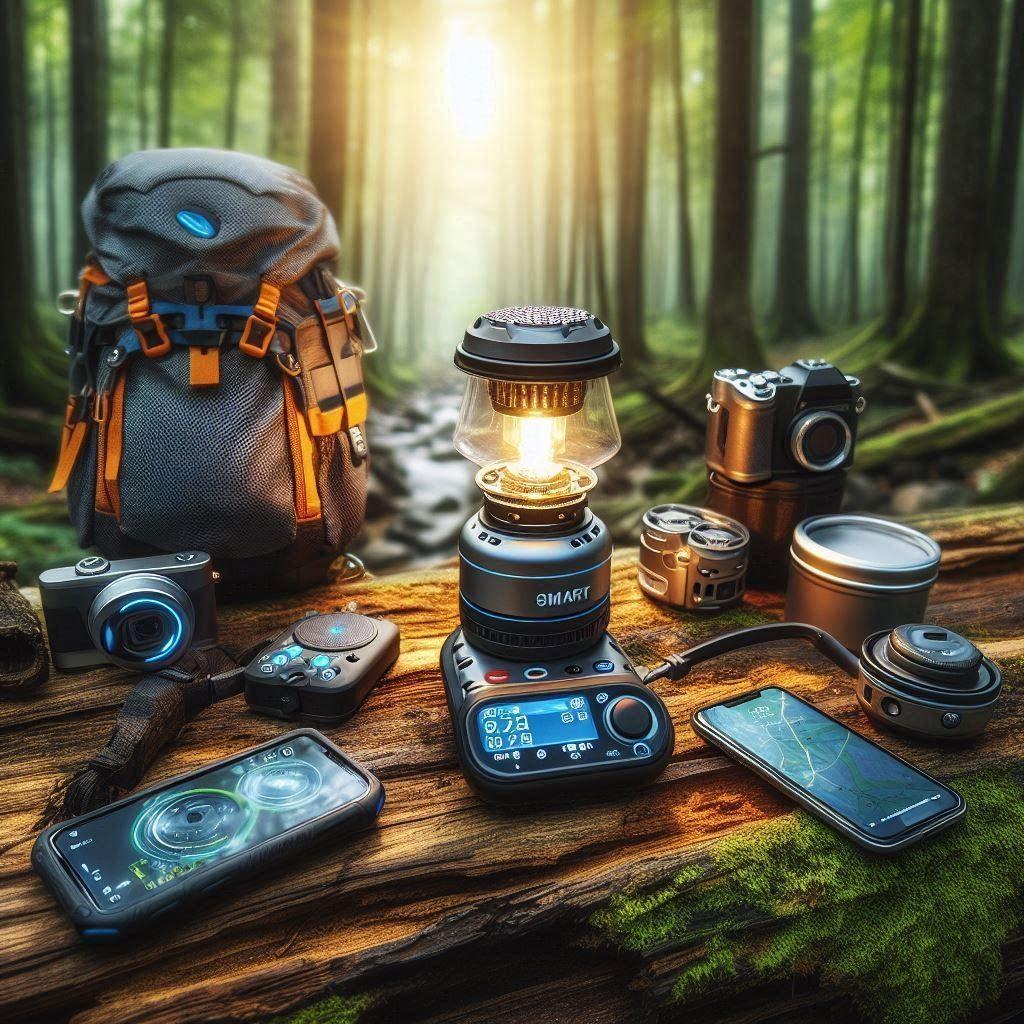
Walking into an outdoor gear shop can feel overwhelming. Rows of technical jackets, backpacks in every conceivable size, tents that range from budget-friendly to mortgage-level pricing, and a dizzying array of gadgets and accessories. The outdoor gear industry generates billions of dollars annually, and brands compete fiercely for your attention and your wallet. Separating genuine innovation from marketing hype is the key to building a gear kit that serves you well without breaking the bank.
This guide cuts through the noise to help you make smart gear decisions in 2026. We cover the categories where spending more actually matters, the items where budget options perform just fine, the latest innovations worth considering, and a framework for prioritizing your gear purchases based on how you actually plan to use them. The goal is not to tell you what to buy, but to give you the knowledge to evaluate gear critically and spend your money where it makes the biggest difference to your outdoor experience.
Where Premium Gear Justifies Its Price
Not all gear categories are created equal when it comes to the value of premium spending. In some categories, a higher price tag directly translates to better performance, durability, and safety. Footwear is the most important category to invest in. Your boots or trail runners are the interface between your body and the terrain. A quality pair with proper arch support, durable outsoles, and breathable waterproof membranes can comfortably cover 500 to 1,000 miles. Budget alternatives may need replacement after 200 miles and can contribute to foot fatigue, blisters, and even injuries. The cost per mile of a good pair of boots is actually lower than buying multiple budget pairs.
Sleeping bags and tents are the other two categories where premium materials deliver measurable benefits. High-quality down insulation in sleeping bags offers a superior warmth-to-weight ratio and compresses smaller for packing. Well-engineered tents use stronger aluminum poles, better seam sealing, and more durable floor fabrics that resist punctures. These differences matter most in adverse conditions, which is precisely when you need your gear to perform. In fair weather camping at a drive-up campground, a budget tent performs adequately. In wind-driven rain at elevation, the difference between a well-designed tent and a cheap one can be the difference between a good night and a dangerous one.
The outdoor recreation economy contributes over 1.1 trillion dollars annually to the US economy, according to the Outdoor Industry Association. With so much money flowing through the sector, understanding what genuinely improves your experience versus what is clever marketing is essential to building a smart gear kit.
Where Budget Gear Makes Perfect Sense
There is a common misconception that all outdoor gear must be expensive to be effective. In reality, many accessories and convenience items perform admirably at budget price points. Trekking poles, for instance, have become remarkably good at the entry level. A thirty-dollar pair of aluminum poles provides 90 percent of the functionality of a hundred-and-fifty-dollar carbon fiber set, particularly for casual and intermediate hikers. The weight savings of carbon fiber matter most to thru-hikers covering twenty-plus miles per day.
Headlamps, camp pillows, dry bags, stuff sacks, and basic cookware are other categories where budget options deliver satisfactory performance. A twenty-dollar headlamp with adequate lumens and decent battery life will serve most campers well. The premium headlamp features like red light modes, rechargeable batteries, and extreme brightness are genuinely useful but not essential for beginners. Similarly, a basic mess kit from a reputable budget brand like Decathlon or a house brand from a major retailer performs nearly identically to expensive titanium cookware for car camping scenarios.
The key is understanding your usage patterns. If you camp two or three times per year at established campgrounds, budget gear across most categories will serve you well. If you spend months each year in the backcountry, the weight savings and durability of premium gear become worthwhile investments that pay dividends over thousands of trail miles.
Footwear: The Most Important Decision You Will Make
Outdoor footwear has evolved dramatically in recent years. The traditional divide between hiking boots and trail runners has blurred, with many modern designs offering the best of both worlds. For 2026, the market offers three main categories: traditional hiking boots for maximum support and protection, trail runners for speed and agility on well-maintained paths, and approach shoes that bridge the gap for technical terrain.
When selecting footwear, prioritize fit above all else. A boot that fits perfectly will outperform an expensive boot that does not match your foot shape. Shop for footwear in the afternoon when your feet are naturally slightly swollen from daily activity. Wear the socks you plan to hike in and ensure you have a thumb's width of space between your longest toe and the end of the shoe. Consider width options, as many brands offer narrow, standard, and wide versions of their popular models. Proper fit prevents blisters, black toenails, and the foot fatigue that can ruin a trip.
Backpacks and Technical Fabrics
A well-fitting backpack distributes weight efficiently across your hips and shoulders, making even a heavy load feel manageable. The most important factor in backpack selection is fit, not brand or price. Visit a specialty outdoor retailer where a trained fitter can measure your torso length and adjust the pack to your body. A pack that fits poorly will cause discomfort regardless of how much you spent on it.
Technical fabrics have seen significant innovation in recent years. Waterproof breathable membranes continue to improve in both performance and environmental sustainability. Recycled fabrics now match virgin materials in durability while reducing environmental impact. Merino wool blends have become standard for base layers due to their natural odor resistance and temperature regulation. When evaluating technical clothing, focus on the activity you are pursuing. A hiker needs different fabric characteristics than a climber or a paddler. Breathability matters most for high-output activities, while wind and water protection take priority for exposed ridge walks and alpine environments.
Building a gear kit is a journey, not a destination. Start with the essentials, invest in the items that directly affect your safety and comfort, and add pieces gradually as your outdoor pursuits evolve. The best gear is the gear that fits you well, suits your specific activities, and gets you outside consistently.
For comprehensive gear reviews, detailed buyer's guides, and community recommendations from experienced outdoor enthusiasts, explore Trail & Summit. You will find honest assessments of the latest equipment and practical advice for building a kit that matches your adventure style.