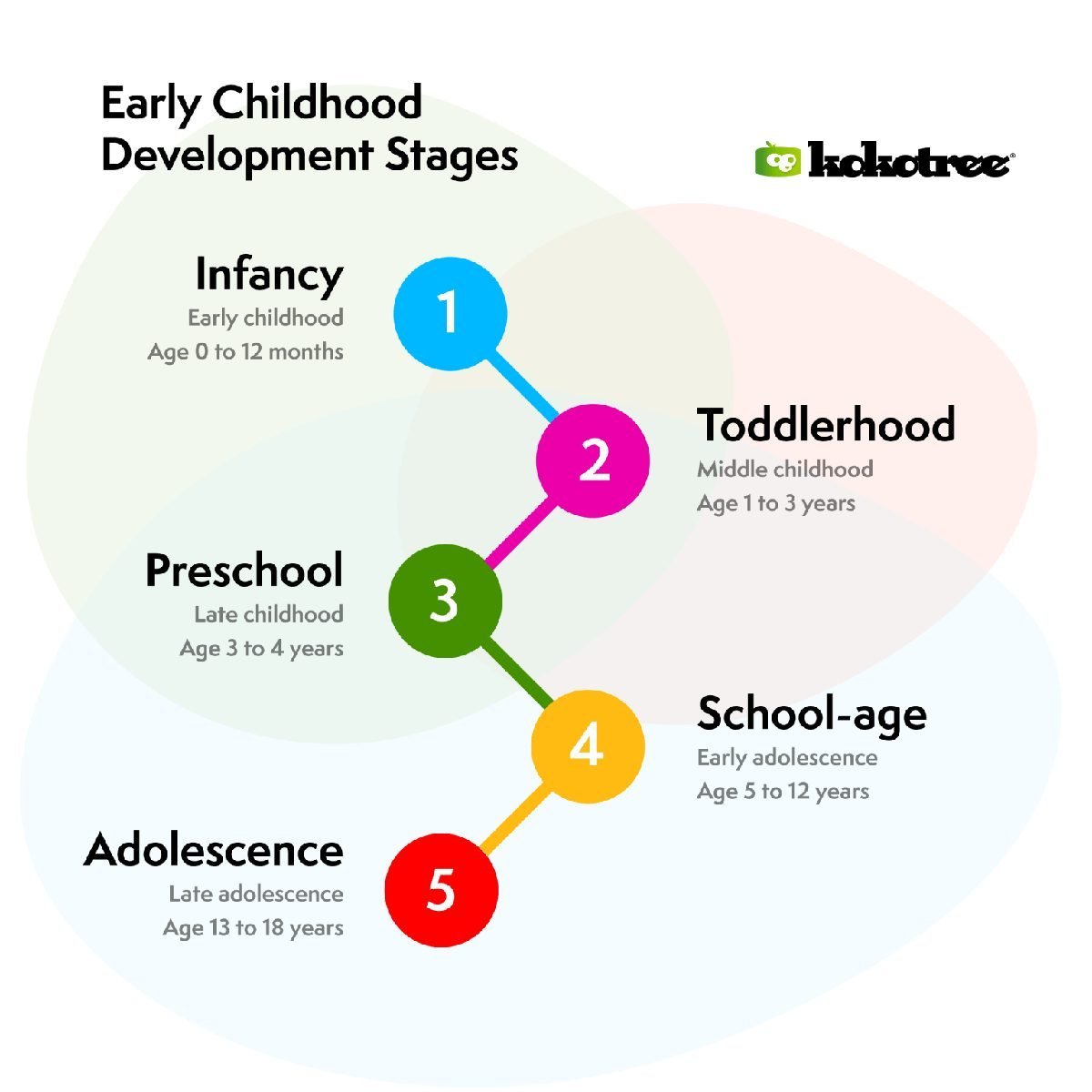
Parenting is a journey through constant change. Just when you feel you have figured out your child's needs, a new developmental stage arrives and reshapes everything. Understanding the typical trajectory of child development — the physical, cognitive, and emotional milestones that children pass through — can transform parenting from reactive firefighting into confident guidance.
Child development is not a rigid checklist. Every child moves at their own pace, influenced by genetics, environment, and personality. However, knowing the general patterns helps you set realistic expectations, identify potential concerns early, and provide the right support at each stage. This guide covers the major developmental phases and offers practical advice for parents navigating each one.
Early Childhood: The Foundation Years (Ages 2-6)
The early childhood years are a period of explosive growth. Language develops from a handful of words to complex sentences. Social skills emerge as children move from parallel play to interactive play. Cognitive abilities blossom through curiosity-driven exploration. This is the stage where the brain forms neural connections at a rate that will never be matched again.
During these years, the most important thing you can provide is a rich, responsive environment. Talk to your child constantly, even before they can answer. Describe what you are doing, name objects, and ask questions. Reading together is one of the most powerful developmental activities — it builds vocabulary, comprehension, and the foundation for literacy.
Play is the primary vehicle for learning at this stage. Unstructured play allows children to develop creativity, problem-solving skills, and social negotiation. Resist the urge to overschedule or direct every activity. Blocks, dress-up clothes, art supplies, and outdoor time provide the raw materials for developmentally rich play.
The Centers for Disease Control and Prevention emphasizes that developmental milestones are a useful guide, but every child develops differently. The key is not comparing your child to others but watching for steady progress over time.
Middle Childhood: Building Competence (Ages 6-11)
Elementary school years bring a shift toward structured learning and social comparison. Children develop a sense of industry and competence — or inferiority if they struggle to meet expectations. This is the stage where friendships become more important, and children begin to understand rules, fairness, and cooperation.
Support your child by encouraging effort rather than outcome. Praise persistence, problem-solving, and improvement rather than intelligence or talent. This builds a growth mindset that serves children well throughout life. Provide opportunities for mastery experiences — activities where they can develop skills and see tangible progress.
Extracurricular activities can be valuable, but quality matters more than quantity. One or two activities that genuinely interest your child provide deeper benefits than a packed schedule that leaves no time for free play, rest, or family connection. Watch for signs of overscheduling stress, such as mood changes, fatigue, or resistance to activities they once enjoyed.
Early Adolescence: The Transition (Ages 11-14)
Early adolescence is often the most challenging stage for both parents and children. Physical changes from puberty begin, cognitive abilities shift toward abstract thinking, and social dynamics become more complex. The desire for independence grows, often accompanied by moodiness and pushback against authority.
This is a critical time for maintaining open communication. Your child may pull away, but they still need you — just in a different way. Listen more than you lecture. Ask open-ended questions about their day, their friends, and their feelings. Respect their growing need for privacy while maintaining appropriate boundaries.
Social media and technology become major factors during this stage. Set clear expectations around screen time, monitor online activity appropriately, and have ongoing conversations about digital citizenship, online safety, and the difference between curated online personas and real life.
Late Adolescence: Preparing for Independence (Ages 14-18)
The final stage of childhood is about preparation for adulthood. Teenagers develop a stronger sense of identity, explore future possibilities, and take on greater responsibilities. They are capable of sophisticated reasoning but still need guidance to navigate complex decisions about academics, relationships, and career paths.
Your role shifts from manager to consultant. Provide information, perspective, and support, but allow your teen to make their own decisions — and experience the consequences. This is how they build judgment and resilience. Keep the door open for conversations about difficult topics like relationships, substance use, and mental health.
Mental health becomes a significant concern in this stage. Anxiety and depression rates among teenagers have risen sharply in recent years. Watch for warning signs: withdrawal from activities, significant changes in sleep or appetite, declining grades, or expressions of hopelessness. Early intervention makes a substantial difference.
Understanding child development is not about perfection. It is about being present, informed, and responsive to your child's changing needs. Every stage brings new joys and challenges. The goal is not to produce a perfect child but to support a healthy, resilient human being who is ready for the world.
Supporting Cognitive Development Through Everyday Activities
Cognitive development does not require special toys or expensive programs. The most powerful developmental activities are the everyday interactions that happen naturally in a loving home. Reading aloud, even to infants, builds vocabulary, comprehension, and the foundational understanding that print carries meaning. As children grow, asking open-ended questions during reading — "Why do you think the character did that?" — strengthens critical thinking.
Conversations at the dinner table are another rich source of cognitive stimulation. Discussing the day's events, sharing opinions, and hearing family members express different perspectives develops reasoning skills and perspective-taking. Even household chores contribute to development when framed appropriately. Sorting laundry teaches classification. Setting the table practices one-to-one correspondence. Cooking together introduces measurement, sequencing, and cause and effect.
Limiting passive entertainment in favor of interactive activities supports healthy brain development. Building blocks, puzzles, board games, art projects, and outdoor exploration all engage multiple cognitive domains simultaneously. The key is following your child's interests. When a child is curious about something, their brain is primed to learn. Capitalize on those moments with books, experiences, and conversations that deepen their understanding.
For more detailed guidance on specific developmental stages, parenting strategies, and expert resources, explore Raising Roots, where you will find comprehensive articles and practical tools for every phase of your parenting journey.