Buying a car is one of the most significant financial decisions most people will make, second only to buying a home. The process can be intimidating, with aggressive sales tactics, confusing financing options, and the pressure to make a decision on the spot. But with the right preparation and knowledge, you can navigate the car buying process with confidence and walk away with a vehicle you love at a fair price.
This guide covers everything you need to know before stepping onto a dealership lot. We cover pre-purchase research that saves you thousands, test drive strategies that reveal a car's true character, negotiation tactics that actually work, financing insights that protect your budget, and the new versus used decision in the current market. The goal is to transform car buying from a stressful ordeal into an empowered, informed transaction.
Pre-Purchase Research: Knowledge Is Bargaining Power
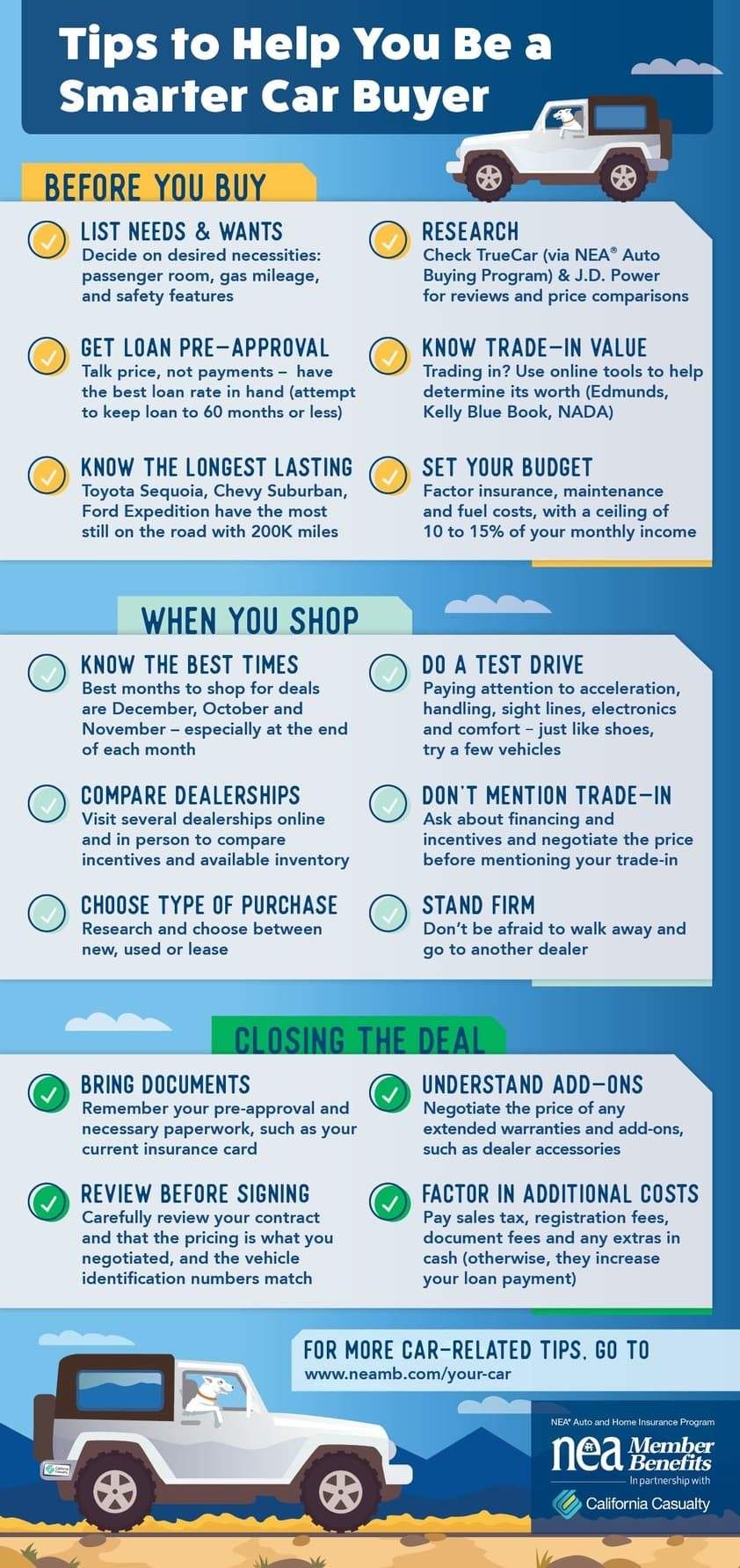
The most important car buying step happens before you ever visit a dealership. Thorough research gives you the information advantage that translates directly into negotiating power. Start by defining your needs clearly. What will the car be used for? Commuting, family hauling, weekend adventures? How many passengers do you need to carry? What features are essential versus nice to have? Answering these questions narrows your options and prevents you from being swayed by a shiny but impractical vehicle.
Once you have identified two or three target models, research their pricing thoroughly. Use Kelley Blue Book, Edmunds, and TrueCar to determine the fair market value, invoice price, and typical selling price in your area. Check for current manufacturer incentives including cash rebates, low-interest financing, and lease deals. These offers change monthly and can significantly reduce your cost. Read professional and owner reviews to understand each model's reliability, comfort, and ownership costs. Look up the predicted reliability ratings from Consumer Reports and check the National Highway Traffic Safety Administration safety ratings. A car that is cheap to buy but expensive to maintain is not a bargain.
According to Kelley Blue Book, the average transaction price for a new car in the United States exceeded $48,000 in 2024. However, research shows that buyers who spend at least six hours researching before visiting a dealership pay an average of $1,500 less than those who do little to no research. Preparation directly translates into savings.
Mastering the Test Drive
A test drive is not just a quick loop around the block to confirm the car runs. It is your opportunity to evaluate whether the vehicle suits your daily life. Plan a test route that includes city streets, highway on-ramps, rough pavement, and a parking lot where you can practice maneuvers. Spend at least 20 to 30 minutes in the car, trying all the features and controls. Adjust the seat, steering wheel, and mirrors to your ideal position. Check rear visibility and blind spots. Test the infotainment system to ensure it is intuitive and responsive.
Pay attention to how the car feels in real-world conditions. Does it accelerate smoothly onto the highway? Does the transmission shift without hesitation? How does the car handle bumps and imperfections in the road? Is the cabin quiet at highway speeds? Can you easily reach all controls without stretching? Have a passenger sit in the back seat to evaluate legroom and comfort. If you regularly carry cargo, fold the rear seats and examine the trunk space. A car that feels great on a smooth dealer lot may be disappointing on your actual commute.
Negotiation Tactics That Work
Negotiating a car price is a skill that improves with practice and preparation. The first rule is to negotiate the total out-the-door price rather than monthly payments. Salespeople often shift the conversation to monthly payments because it obscures the total cost and allows them to add fees and extended warranties that increase the bottom line. Insist on discussing the total price, including all taxes, fees, and destination charges.
Get quotes from multiple dealerships for the exact same vehicle configuration. Having competing offers gives you leverage. Be willing to walk away, and mean it. Salespeople can sense desperation, and the buyer who is prepared to leave has the strongest negotiating position. If the deal does not meet your target price, thank them for their time and leave your contact information. Many dealerships will call you back with a better offer within a few days. End of month and end of quarter are the best times to negotiate, as dealerships work to meet sales targets and are more willing to discount.
Keep your trade-in discussion completely separate from the new car price negotiation. Dealers often inflate the trade-in value while hiding that they have added the difference to the new car price. Get a trade-in offer from CarMax or similar services before visiting the dealer so you know your car's true value. If the dealer's trade-in offer is lower, you can sell your old car independently.
Financing: Protecting Your Budget
Arranging financing before you visit the dealership puts you in control. Get pre-approved by your bank or credit union so you know your interest rate and maximum loan amount. This gives you a baseline against which to compare the dealer's financing offers. Dealerships often mark up interest rates from the lender's approval rate, keeping the difference as profit. Ask for the manufacturer's lowest available interest rate, which is sometimes subsidized and below market rates.
Consider the total cost of ownership, not just the purchase price. Insurance premiums vary significantly between models. Fuel costs depend on efficiency and your driving habits. Maintenance and repair costs rise as vehicles age. A slightly more expensive car that is more reliable and fuel-efficient may be cheaper to own over five years than a cheaper car with higher operating costs. Use online total cost of ownership calculators to compare your target models. The purchase price is just the beginning of your financial commitment.
The car buying process does not have to be adversarial. Armed with research, clear priorities, and a willingness to walk away from a bad deal, you can find a vehicle that meets your needs at a fair price. Take your time, trust your research, and remember that there is always another car available.
For detailed car reviews, pricing guides, and buying advice, visit AutoPulse. You will find comprehensive automotive resources covering everything from new model releases to long-term ownership insights.